

Commercial buildings
Flushing, air-conditioning cooling towers and landscaping drive daily demand in offices and malls.
The challenge: Rising water tariffs and supply cuts.
How  helps
On-site recycling for flushing, cooling and landscaping.
From data centres to residential towers: wherever wastewater is discharged, WatRe can turn it into a reliable water supply.
Offices, data centres, hotels and hospitals, where water keeps daily operations running.
4 industries
Flushing, air-conditioning cooling towers and landscaping drive daily demand in offices and malls.
The challenge: Rising water tariffs and supply cuts.
How helps
On-site recycling for flushing, cooling and landscaping.
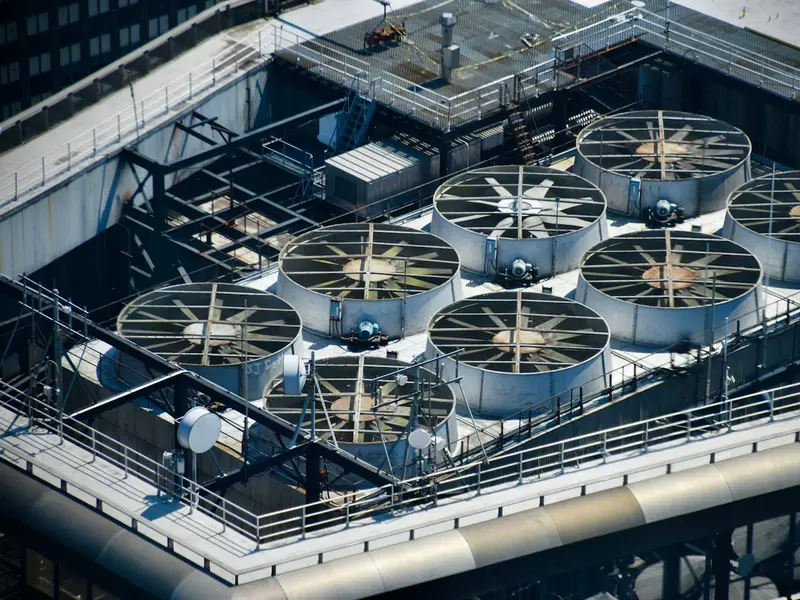
Cooling towers evaporate water around the clock to keep servers within their temperature limits.
The challenge: Cooling towers use large volumes of fresh water.
How helps
Recycled water for cooling-tower make-up.
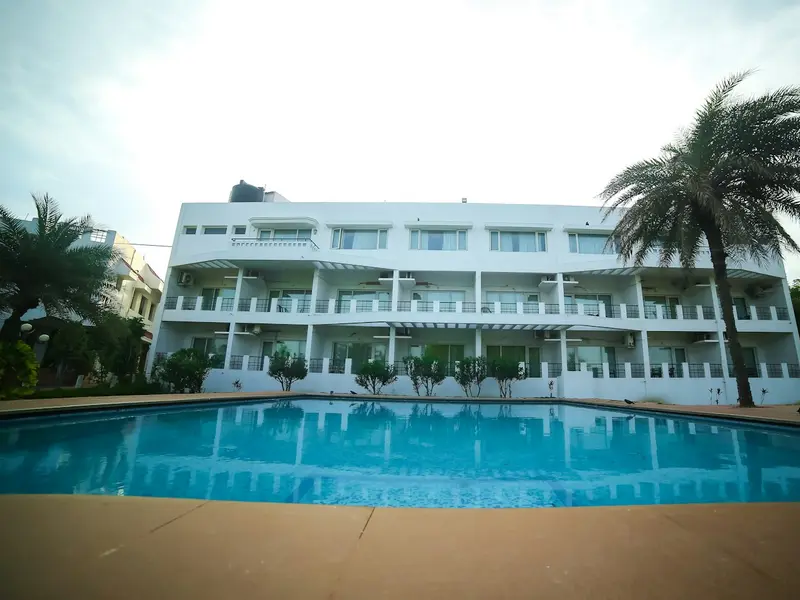
Rooms, laundry, kitchens, pools and gardens all draw water at the same time, every day of the year.
The challenge: High water use across rooms, kitchens and grounds.
How helps
Recycled water for flushing, cooling towers and gardens.
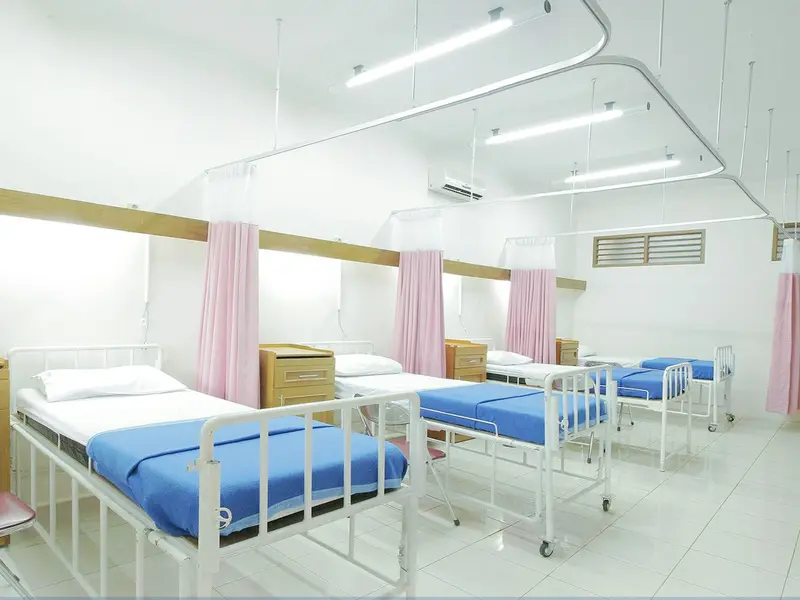
Wards, laundry and air-conditioning need water every hour, and an outage is not an option.
The challenge: Water supply cannot be interrupted.
How helps
Reliable recycled water for non-potable uses, with quality monitoring.
Factories and process plants where water supply and effluent compliance decide uptime.
7 industries
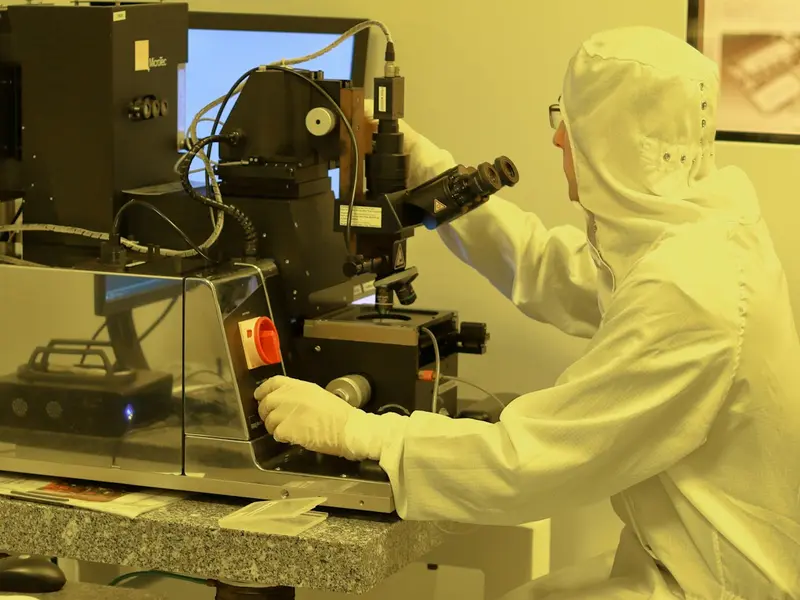
Wafers are rinsed again and again with ultrapure water, so a fab draws on water without pause.
The challenge: Chip making needs large volumes of high-purity water.
How helps
Recycled water as feed for ultrapure water treatment.
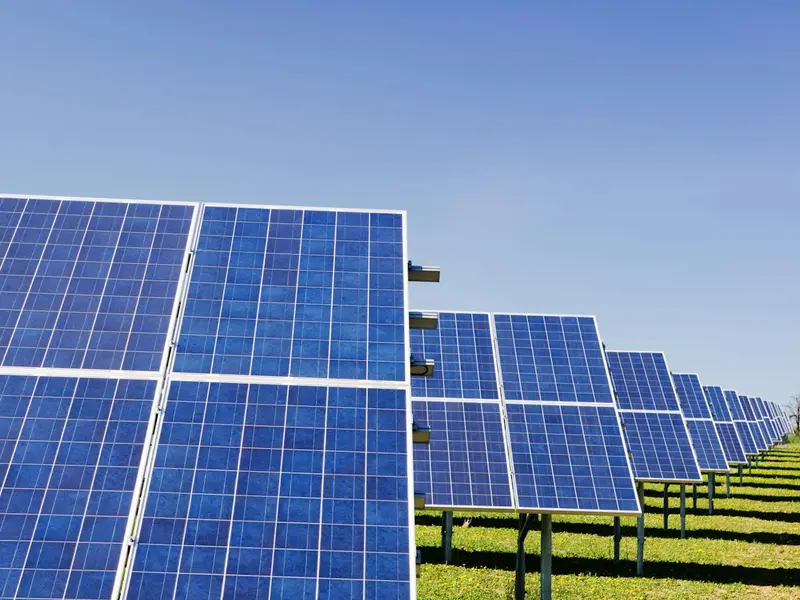
Electrolysers split water into hydrogen and oxygen, so water is a raw material, not a utility.
The challenge: Electrolysers need a steady supply of pure water.
How helps
Treated recycled water as a reliable feedwater source.
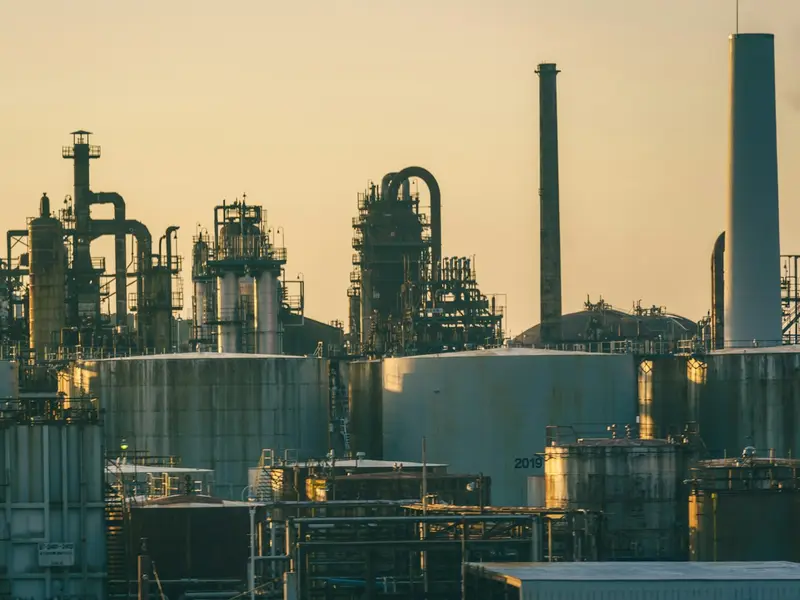
Cooling, washing and reactions all run on water, and the effluent is among the hardest to treat.
The challenge: Complex effluent and tighter discharge norms.
How helps
Effluent treated and recycled to the quality the process needs.
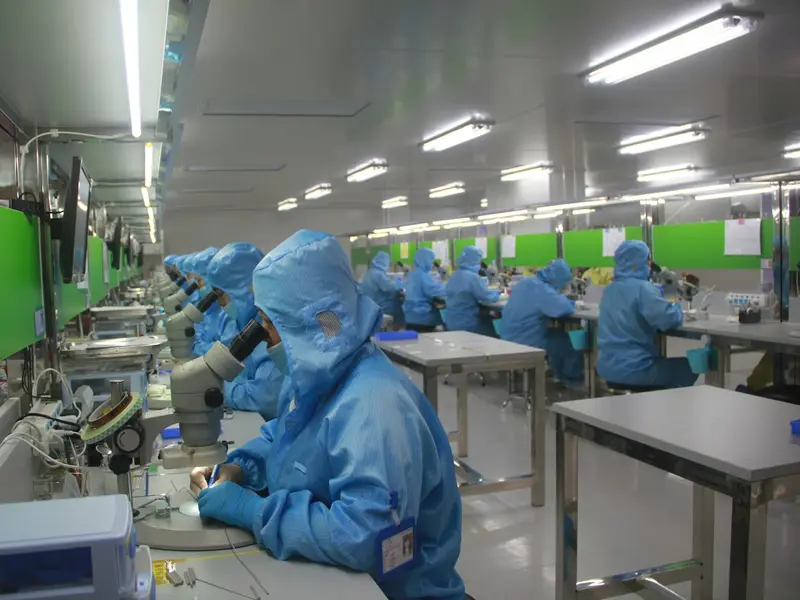
Production, cleaning and utilities need consistent water, under close regulatory watch.
The challenge: Strict quality and audit requirements.
How helps
Recycled process water with quality monitoring and reporting.
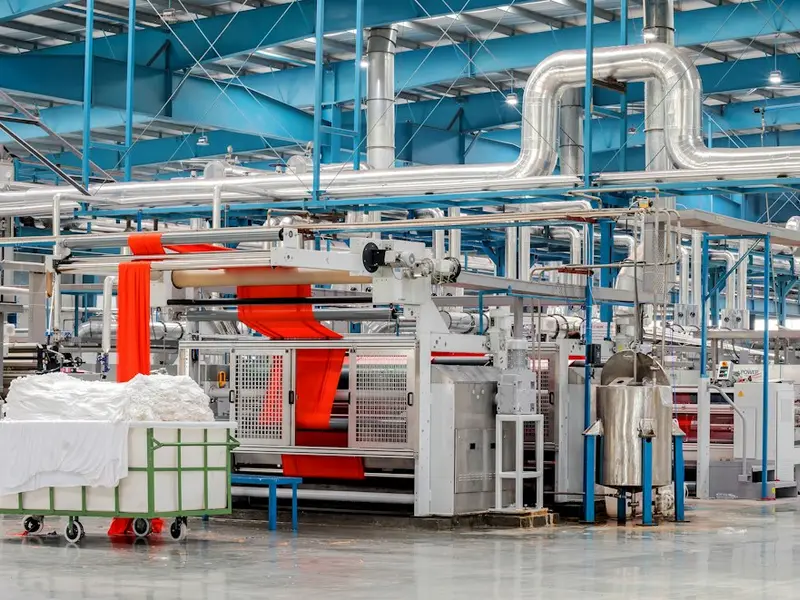
Dyeing, washing and finishing are some of the most water-hungry steps in all of manufacturing.
The challenge: Large volumes of coloured, high-TDS wastewater.
How helps
Treatment and recycling, including ZLD where required.
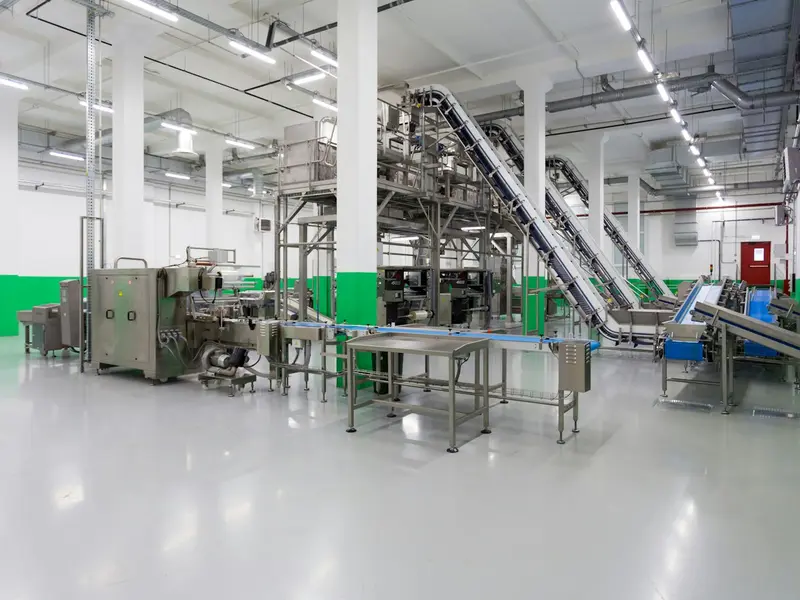
Water goes into products, cleaning and steam, and the wastewater is rich in organic matter.
The challenge: High organic load and seasonal changes in volume.
How helps
Modular plants that grow with production.
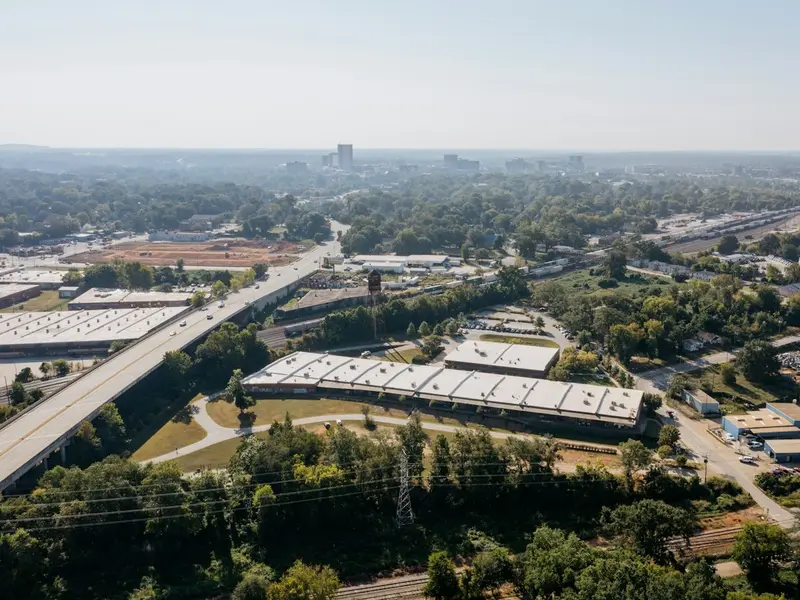
Many units share one water supply and one effluent problem, so one weak link affects everyone.
The challenge: Many units sharing one effluent compliance problem.
How helps
A shared recycling plant run as a utility.
Housing societies and townships that want steady water, fewer tankers and simple compliance.
2 industries
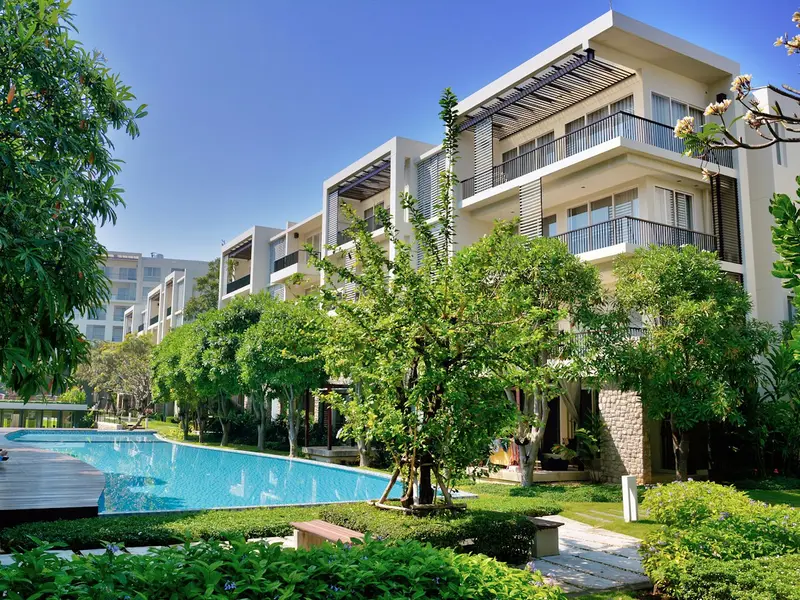
Housing societies produce sewage every day, and lean on water tankers when supply runs short.
The challenge: Sewage load and dependence on fresh water supply.
How helps
On-site recycling, with compliance handled by WatRe.
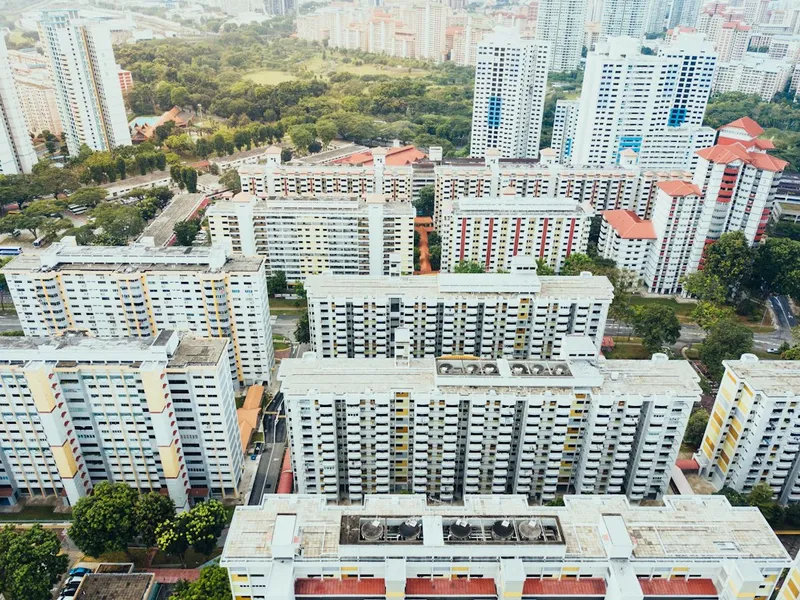
Large townships run their own sewage plant, and the treated water can serve flushing and landscaping across the campus.
The challenge: Running a large sewage plant and meeting reuse norms is a full-time job.
How helps
WatRe runs the plant and supplies recycled water, priced per kL.
Five reasons recycled water now makes sense for more businesses.
40%
By 2030, global freshwater demand is projected to exceed sustainable supply by 40%.
New factories and industrial parks need more process water.
Data centres need large volumes of cooling water.
Green hydrogen and other clean energy need pure, reliable water.
Rules on wastewater discharge and reuse are getting stricter.
Work with WatRe to recycle your wastewater, with no upfront investment.